

Is the Real Estate Market Peaking?
For years, American homeowners have enjoyed an extraordinary run of rising property values. But what goes up doesn't always keep going up. Three powerful forces are converging that could signal a turning point in the U.S. housing market.

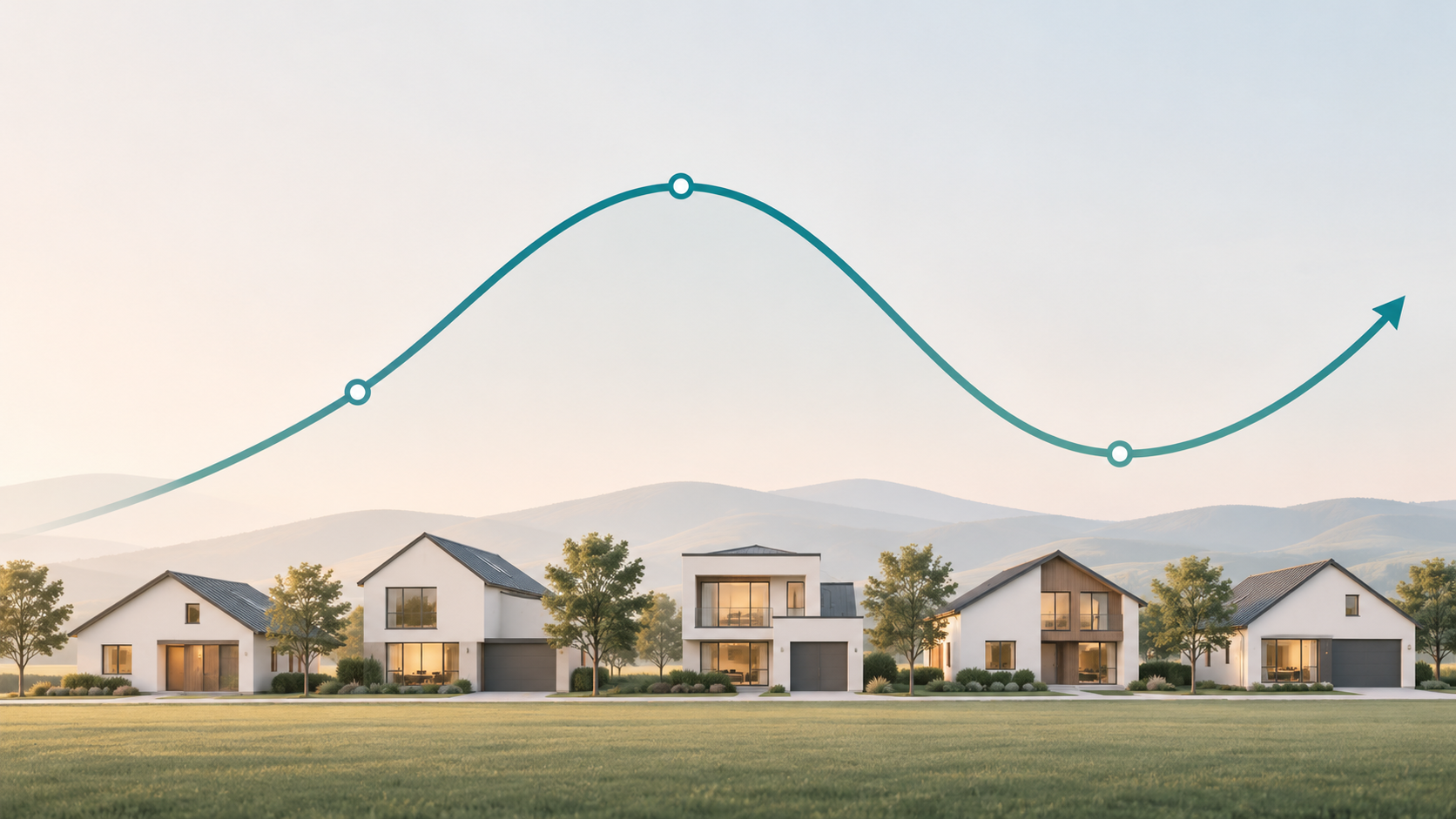
For years, American homeowners have enjoyed an extraordinary run of rising property values. Cheap mortgages, limited housing inventory, tax incentives, and strong demand helped push home prices to record highs.
But what goes up doesn't always keep going up. Sometimes there is a pause.
Three powerful forces are converging that could signal a turning point in the U.S. housing market: rising interest rates, shifting demographics, and a surprisingly persistent real estate cycle.
1. Higher Interest Rates Put a Ceiling on Gains
The era of ultra-cheap mortgages is over.
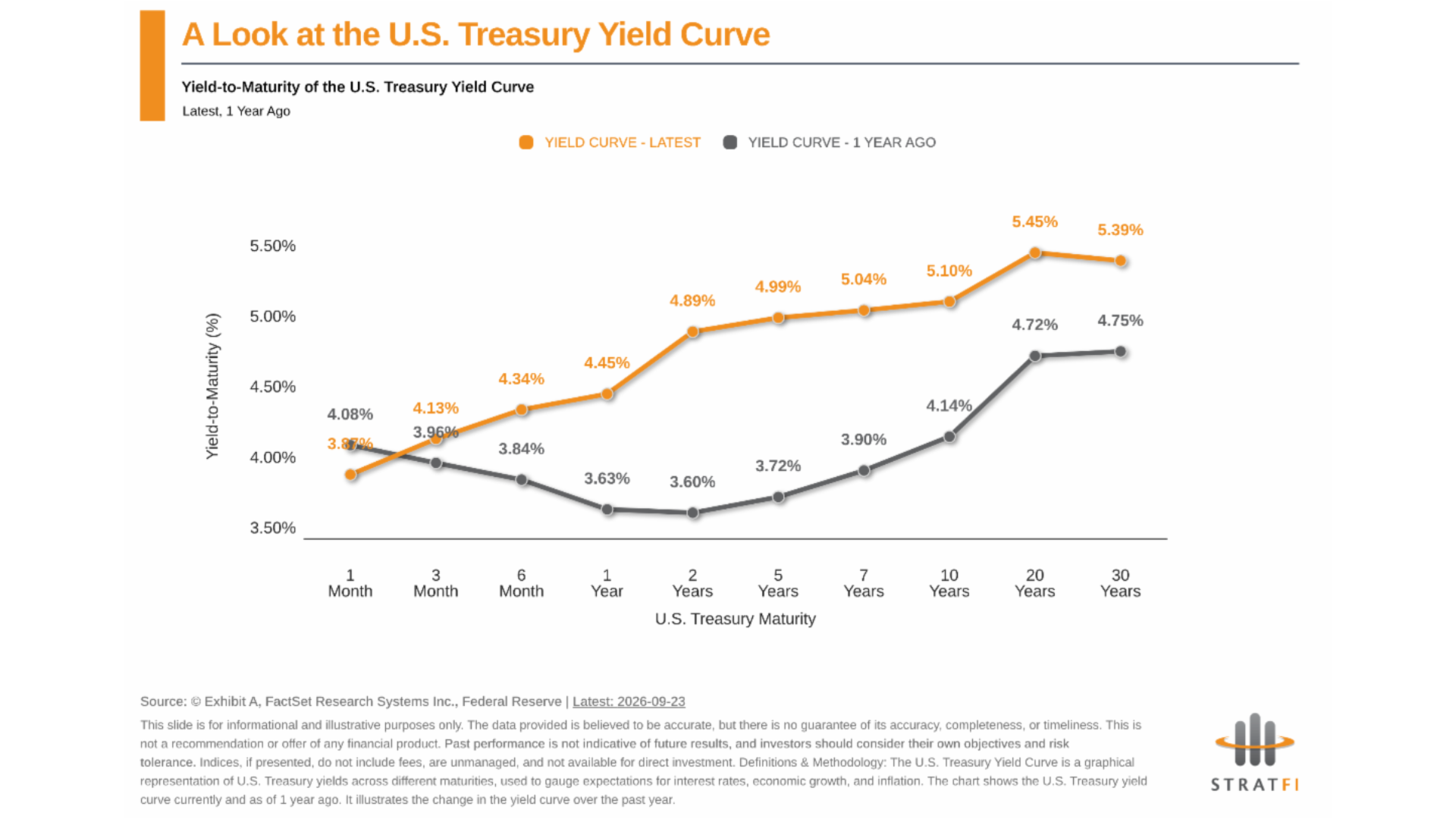
According to Freddie Mac, the average 30-year mortgage rate reached 7.24% in late October 2026, up from 6.17% a year earlier and nearly triple the pandemic-era lows.
Higher borrowing costs reduce purchasing power. Buyers either settle for less expensive homes or postpone purchasing altogether.
We're already seeing the effects. The Case-Shiller National Home Price Index increased just 2.1% over the year ending in August 2026, trailing consumer inflation of 3.4%. That means home prices have been declining in inflation-adjusted terms.
2. Demographics Are Rewriting Housing Demand
America is getting older, and that has implications for real estate.
According to the U.S. Census Bureau, the population aged 65 and older increased 16.2% between 2020 and 2025.
As baby boomers age, more will eventually downsize, relocate, or leave homes to their heirs.
This could gradually increase the supply of existing homes – but we aren’t seeing it yet.
Meanwhile, younger generations face affordability challenges. The National Association of Realtors reports that first-time buyers represented just 21% of home purchases in its latest generational survey, a record low.
3. The Mysterious 18-Year Real Estate Cycle
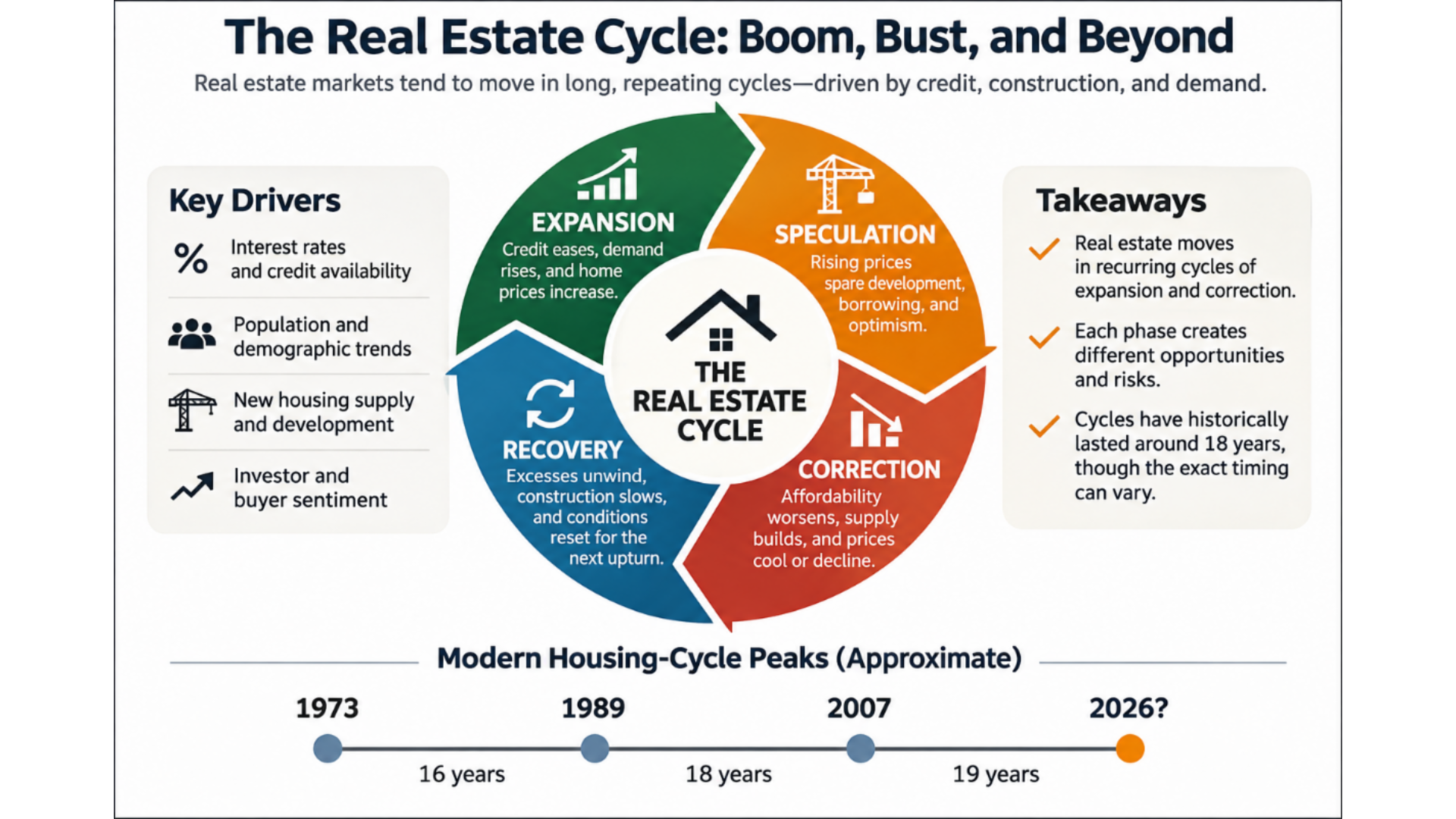
Real estate has a history of moving through extended periods of expansion and contraction.
One popular theory suggests that property markets follow an approximately 18-year cycle, driven by credit availability, speculation, construction, and eventual oversupply. The data on this goes back to the 1830’s.
Consider the major housing downturn around 1990 and the financial crisis of 2008. Those events were separated by roughly 18 years.
Add another 18 years, and we arrive at 2026.
Coincidence? Perhaps.
Still, the timing is worth watching.
A Return to Normal?
Here's the bigger picture: the housing market may not be heading toward another 2008-style collapse. Instead, we could be witnessing a gradual flattening out of price appreciation.
Mortgage rates around 6–7% feel expensive only because we've become accustomed to unusually cheap money. Historically, those rates are hardly extraordinary.
For younger Americans who have been priced out of homeownership, a cooling real estate market might be something worth celebrating.
Sometimes a return to normal is more welcome than another boom.
Copyright ©️ 2026. All Rights Reserved.
About the author

Disclosure
Information contained herein is for educational purposes only and is not to be considered a recommendation to buy or sell any security or investment advice. Securities listed herein are for illustrative purposes only and are not to be considered a recommendation. The author and StratFI clients may hold positions in securities mentioned.
Do you want monthly
Foresight straight to your inbox?
Straightforward commentary, strategic perspectives, and no noise — just one email a month to help you think smarter about your financial future.
Related articles
Explore timely insights and thoughtful perspectives from James Lee and StratFI. Each article is designed to help you cut through the noise, understand the bigger picture, and invest with confidence.
Straightforward commentary, strategic perspectives, and no noise, just one email a month to help you think smarter about your financial future.